
blog
The Impact of Technology on the Replica Watches Market – A Deep Dive into Revenue Growth
15
Nov
Nov
In recent years, the technology sector has experienced remarkable growth in total revenue, fueled by rapid progress in artificial intelligence, cloud computing, e-commerce, and digital manufacturing. As innovation continues to reshape global markets, industries across the board are benefiting from smarter production systems, faster logistics, and improved customer experiences. One market that has particularly embraced these advancements is the replica watches industry.
Technology Sector’s Total Revenue: A Global Growth Story
The technology sector’s total revenue has expanded significantly, with analysts forecasting the global industry to exceed $5 trillion in the mid-2020s. This momentum is being driven by rising demand for connected devices, software services, cloud infrastructure, and online retail platforms. Leading companies such as Apple, Google, and Amazon have transformed how consumers shop and interact online, while their innovations have also created new opportunities for many other industries, including watches and luxury-inspired accessories.
As technology continues to evolve, more traditional industries are modernizing their operations. The replica watch market is one of the most interesting examples, combining classic watch aesthetics with modern manufacturing efficiency and digital commerce.
The Rise of Replica Watches in the Digital Age
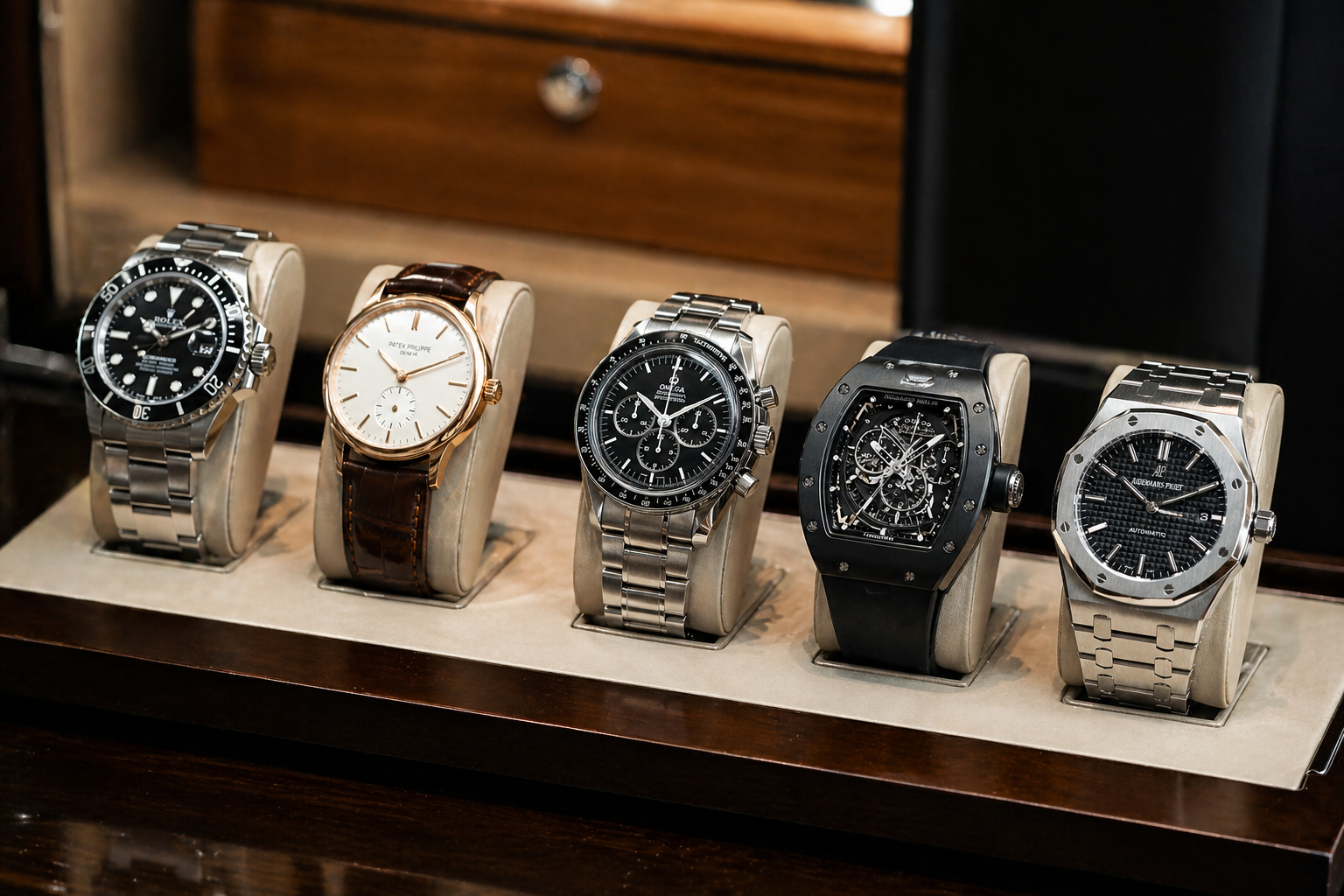
Replica watches have gained popularity among consumers seeking refined designs, stylish craftsmanship, and affordable access to luxury-inspired timepieces. Thanks to advances in technology, the quality and presentation of modern replica watches have improved dramatically over the past decade.
Manufacturers now utilize precision machinery, advanced finishing methods, improved materials, and modern production tools to create watches with greater detail, durability, and accuracy. These improvements have helped elevate the entire market and meet the expectations of a growing international customer base.
The growth of e-commerce has also accelerated this trend. What was once limited to regional markets is now available globally through professional online platforms. Consumers can conveniently browse collections, compare models, and place orders securely from anywhere in the world.
How Technology Influences the Replica Watches Market
- Precision Manufacturing and Design Innovation: Modern engineering tools and computer-aided design systems have transformed watch production. Manufacturers can now achieve cleaner case finishing, more accurate dimensions, and refined dial details. This higher production standard has made today’s replica watches more appealing than ever.
- E-commerce and Digital Platforms: The rise of global e-commerce platforms has made it easier for customers to discover and purchase replica watches. Fast-loading websites, secure checkout systems, live customer support, and efficient delivery networks have greatly improved the shopping experience.
- Marketing and Social Media: Platforms such as Instagram, Facebook, and YouTube have become powerful channels for watch enthusiasts to explore trends, styling ideas, and new releases. Through visual content and community engagement, replica watch brands have successfully reached a younger and more fashion-conscious audience.
- Quality Standards and Transparency: As consumers become more informed, manufacturers have responded by improving finishing quality, movement reliability, and product consistency. This focus on standards has helped raise confidence across the market and encouraged continual improvement.
Revenue Trends in the Replica Watches Market
As technology continues to support modern commerce, the replica watches market has shown strong revenue growth. Industry reports have estimated the global market value in the billions of dollars, with continued expansion expected throughout the 2020s. Increased online demand, better manufacturing standards, and growing interest in affordable luxury alternatives have all contributed to this momentum.
Consumers today appreciate value, design, and accessibility. High-quality replica watches offer an attractive option for individuals who admire iconic watch styles while seeking practical pricing. This balance has helped the sector grow steadily across multiple international markets.
The Future of Replica Watches and Technology
Looking ahead, technology is expected to play an even greater role in the future of replica watches. Improvements in automated production, material science, finishing techniques, and movement engineering will likely continue raising product standards.
Artificial Intelligence (AI) is also expected to influence customer service, product recommendations, inventory planning, and custom design concepts. AI-powered tools can help brands understand customer preferences more accurately and deliver a smoother buying experience.
In conclusion, the technology sector’s total revenue growth has had a meaningful impact on the replica watches market. Innovations in manufacturing, e-commerce, and digital marketing have helped drive quality improvements and global demand. As technology advances further, the replica watch industry is well positioned to continue evolving and serving customers worldwide.
